The First Five Photos Rule Every Host Should Obsess Over
I uploaded 40 photos, but guests may judge the first five.
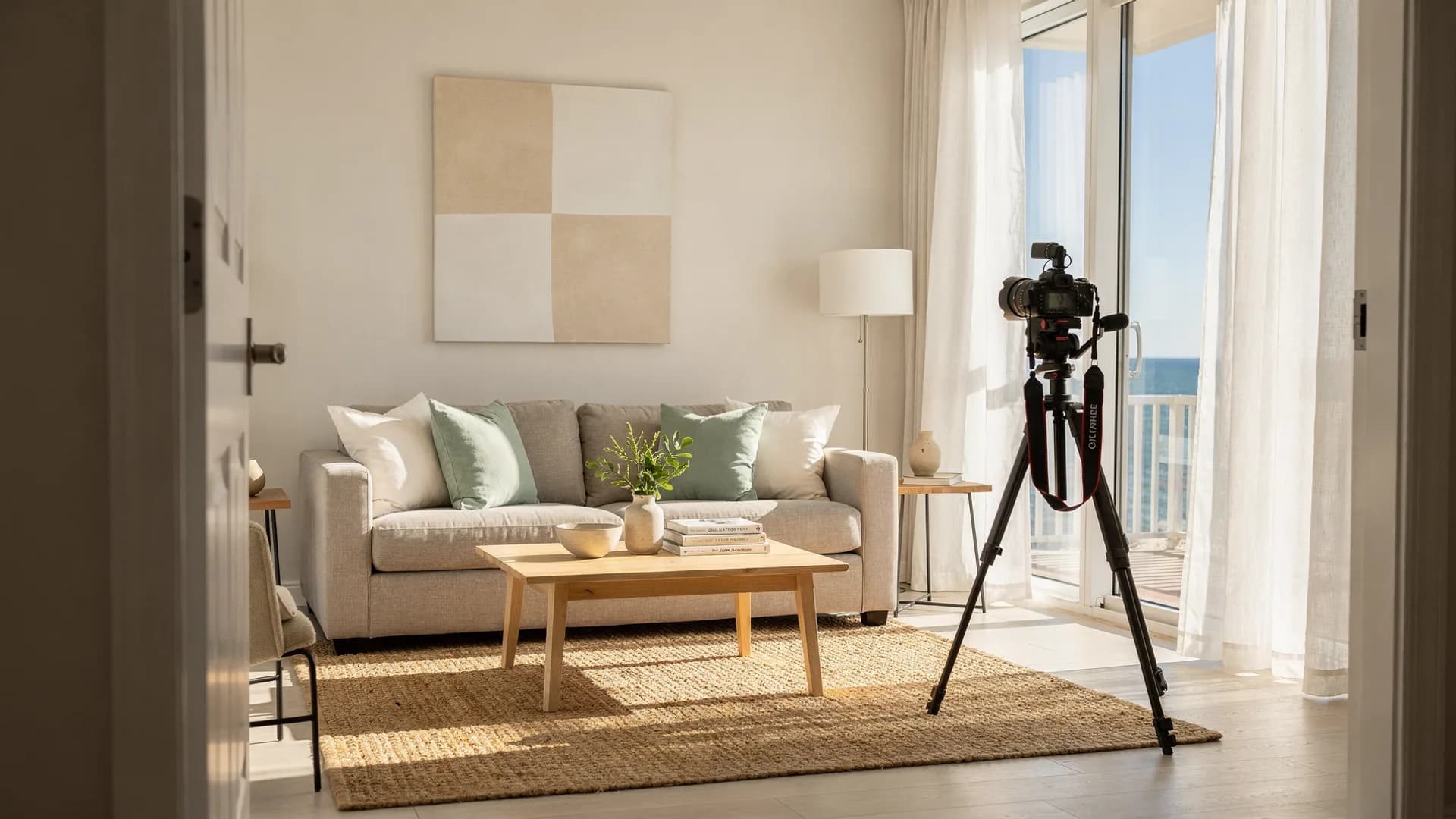
Your twenty-seventh photo cannot save you if the first five make the place look forgettable. It doesn't matter that the twenty-seventh photo is the good one — the reading nook, the light at 5pm, the shot that actually captures why you bought this place. Nobody is coming for it. It's sitting back there like a great last chapter in a book people put down on page two.
Be honest about what's in your gallery right now, because most hosts have never counted. Somewhere in there is a fuse box. A thermostat. A decorative bowl of lemons from more than one angle. The view from the guest bathroom window, which is mostly a fence. You uploaded forty-three photos, and you felt good about it, because forty-three felt thorough — proof of effort, proof there's nothing to hide. And you have probably never once looked honestly at photos two through five as a set, even though they're what almost every guest actually sees before deciding whether your place is worth reading a description for.
Here's the private fear driving the forty-three: if I leave something out, a guest will assume the worst about whatever isn't shown. So you documented everything, like a hedge — the visual equivalent of talking longer because you're not sure which sentence is landing. But guests don't experience your listing as forty-three photos. On a phone, most experience it as five, maybe six, and the everything-at-once gallery quietly buries your best argument under your most anxious ones.
The good news is almost offensive in its simplicity: fixing this usually requires zero new photos. It requires an order. The next ten minutes of reading will cost you less than one lost booking, so stay with this — your gallery almost certainly contains a better listing than the one you've published.
Why Five Is the Number That Matters
Behavioral data across booking platforms tells a consistent story: the overwhelming majority of guests who abandon a listing do it within the first five to seven images. Not because the listing ran out of good photos further down — usually the opposite, the tenth or fifteenth photo is often the best one in the set — but because the guest never got there. They made their decision on the information the first five gave them, and the rest of the gallery became a reward only for people who'd already half-decided to book.
That reframes the entire task of building a listing gallery. It's not "show everything the property has." It's "answer the five questions a guest is silently asking, in the order they're asking them, before they run out of patience."
The Mental Map Guests Do Not Have
The logic behind a shuffled gallery always makes sense from the inside: you've lived in or managed this place for years, the layout feels obvious to you, and you assume a guest scrolling through photos will naturally piece together the same mental map you already carry. They can't, because they have none of your context. A stranger sees each photo as an isolated fact, not a chapter in a story they already understand — which means the sequence has to do the explaining that your own familiarity has been quietly doing for you.
The Five Questions, In Order
Guests move through a rough, predictable sequence of curiosity: what's the main space like, where do I sleep, is the bathroom clean and modern, what's the overall layout, and is there one memorable detail that makes this different from the ten other tabs open right now. A gallery that answers those five questions, in roughly that order, keeps guests moving forward. A gallery that opens with a fuse box, a lemon bowl, and a fence view answers none of them, no matter how good photo nineteen turns out to be.
The Cost Of Getting The Order Wrong
It's worth being specific about what a wrong order actually costs, because the phrase "weak first impression" can sound abstract until you see it in bookings. Hosts who reorder their first five photos without changing anything else — same price, same description, same amenities — routinely describe a lift big enough that they go looking for some other explanation, assuming something else must have changed. Nothing else changed. The property was identical. The sequence in which a phone screen revealed it was the only variable that moved.
That's a strange thing to sit with as a host: the photos already exist. The property already earns what it earns. The only unpriced asset sitting on the table is the order you've chosen to reveal it in, and most hosts have never once revisited that decision after the day they first uploaded everything.
This gap shows up constantly with hosts who've owned or managed a property for a long time. Familiarity is a genuine asset for running the business day to day, and a genuine liability for judging your own gallery, because it quietly fills in blanks a first-time visitor has no way to fill in themselves.
The Same Forty-Three Photos, Retold
Reordered, the same gallery tells a completely different story. Cover: the living room at golden hour. Two: the bedroom, made up, light coming through the curtain. Three: the bathroom, clean and specific, not generic. Four: a wide shot establishing the layout. Five: the detail that actually sold you on this place when you first walked through it — the reading nook, the porch, whatever made you stop. The fuse box stays in the gallery. It just moves to photo thirty-one, where it belongs: informative for someone already convinced, invisible to everyone else.
This is the same logic behind Your Airbnb May Not Be Broken — that a property doing everything right can still underperform badly if the sequence guests actually see doesn't reflect what's true about the place.
Auditing Your Own First Five
Rebuild your first five photos in this order
- Screenshot only your first five photos as they currently appear, in sequence, and look at them as a set, separate from the rest of the gallery.
- Identify which of the five questions — main space, sleeping setup, bathroom, layout, standout detail — each photo is actually answering.
- Flag any photo among the first five that repeats a question another photo already answered.
- Move your single best, most specific photo into position two if it currently sits further back.
- Cut any purely functional shot — fuse boxes, thermostats, parking signs — from the first five and relocate it later in the gallery.
- Confirm the fifth photo gives a guest a reason to keep scrolling rather than a reason to stop.
Revisit This Every Few Months, Not Once
Photo order isn't a one-time task any more than pricing is. Seasons change what a room's strongest asset is — a fireplace photo that earns its spot in January is dead weight in July, and a shaded patio that means nothing in winter can be the best photo in the gallery come June. Treat the first five as a living decision you revisit seasonally, not a setting you configure once at listing creation and never touch again.
None of this requires a single new photo. It requires you to stop treating the gallery as a complete inventory and start treating it as a five-photo argument, with the other thirty-eight photos there to support the guests that argument has already convinced.
Published June 3, 2026 / 6 min
Related Reading
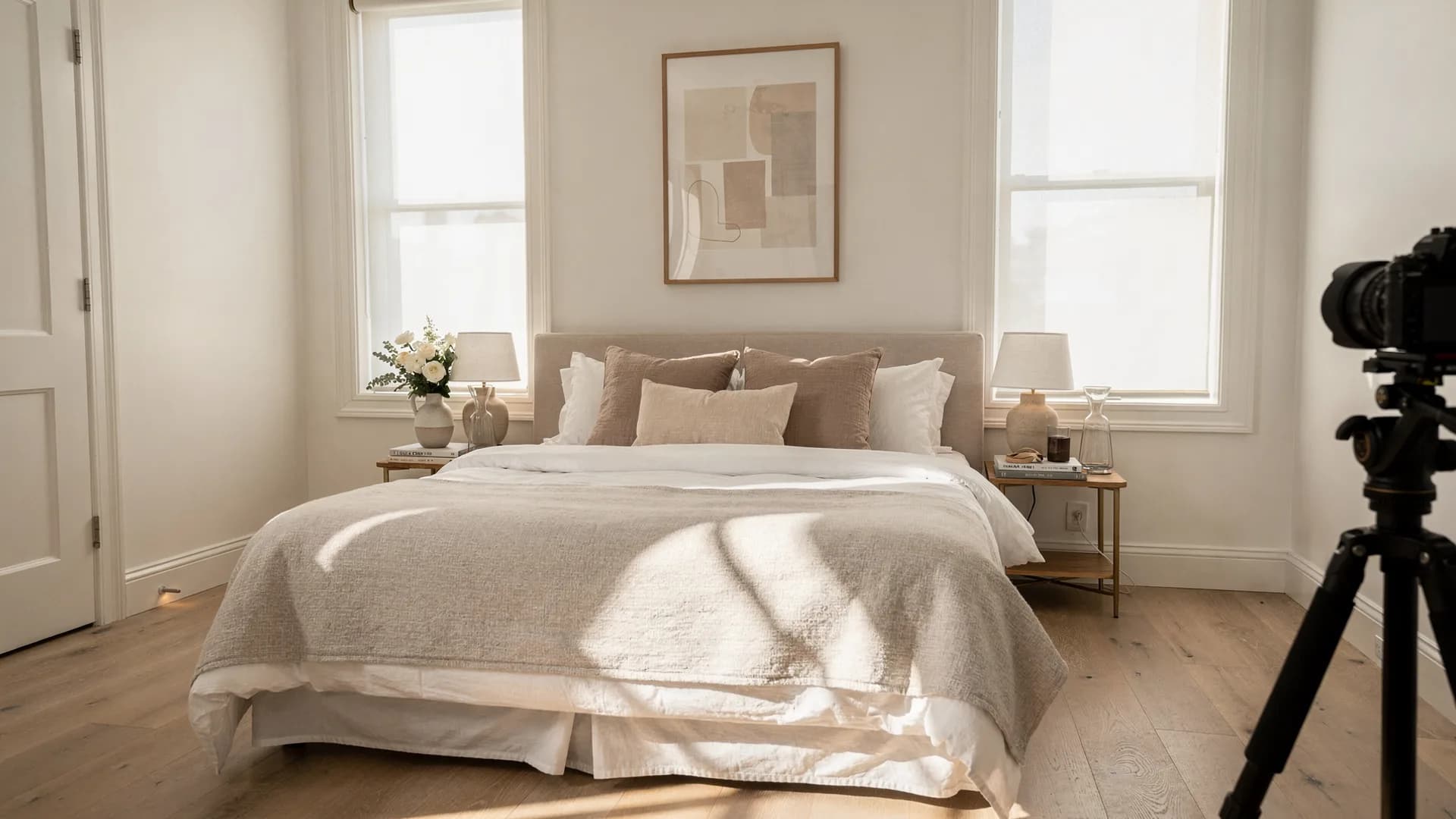
Your Cover Photo Is Either Winning the Click or Killing It
Guests don't reject your whole property first. They reject a thumbnail.
June 6, 2026
6 min
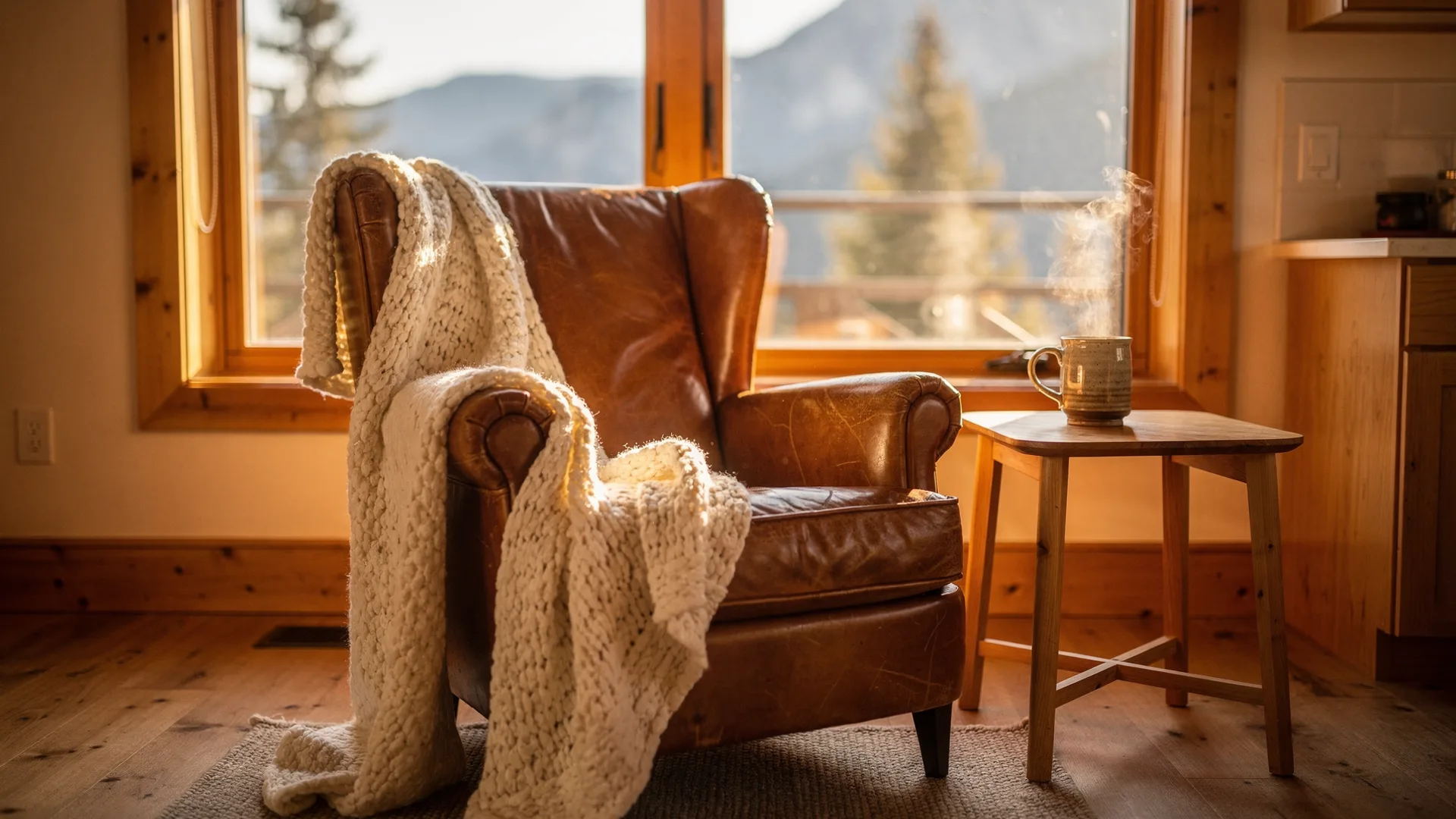
When Your Airbnb Looks Better in Person Than Online
It feels good when guests say it looks better in person. It may also mean the listing undersold you.
May 30, 2026
6 min
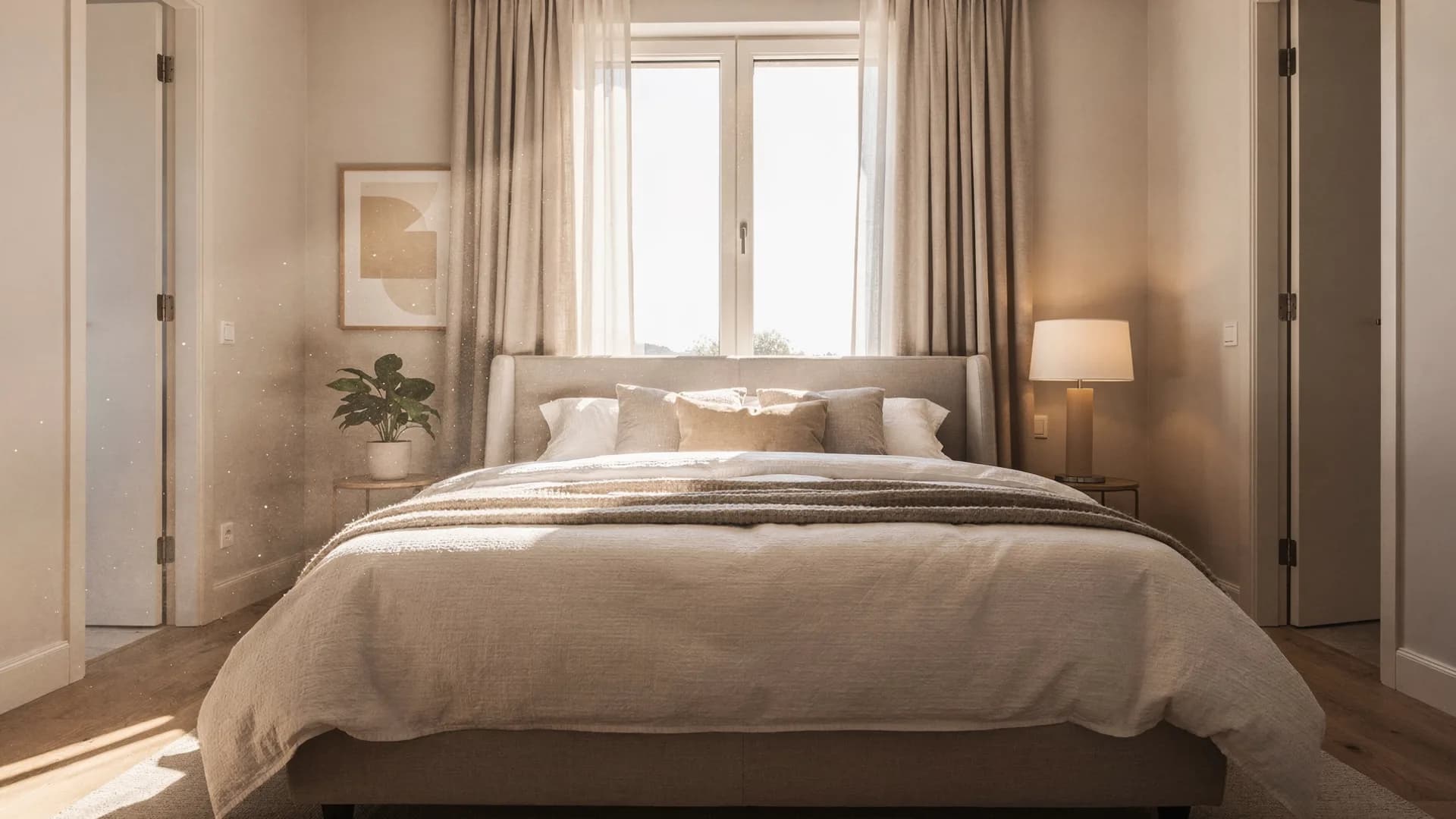
Dark Airbnb Photos Make Good Spaces Look Cheap
A dark photo can make a clean home feel old, cold, cramped, or forgotten.
May 27, 2026
6 min