When Your Airbnb Looks Better in Person Than Online
Guests love it when they arrive. But online, it looks ordinary.
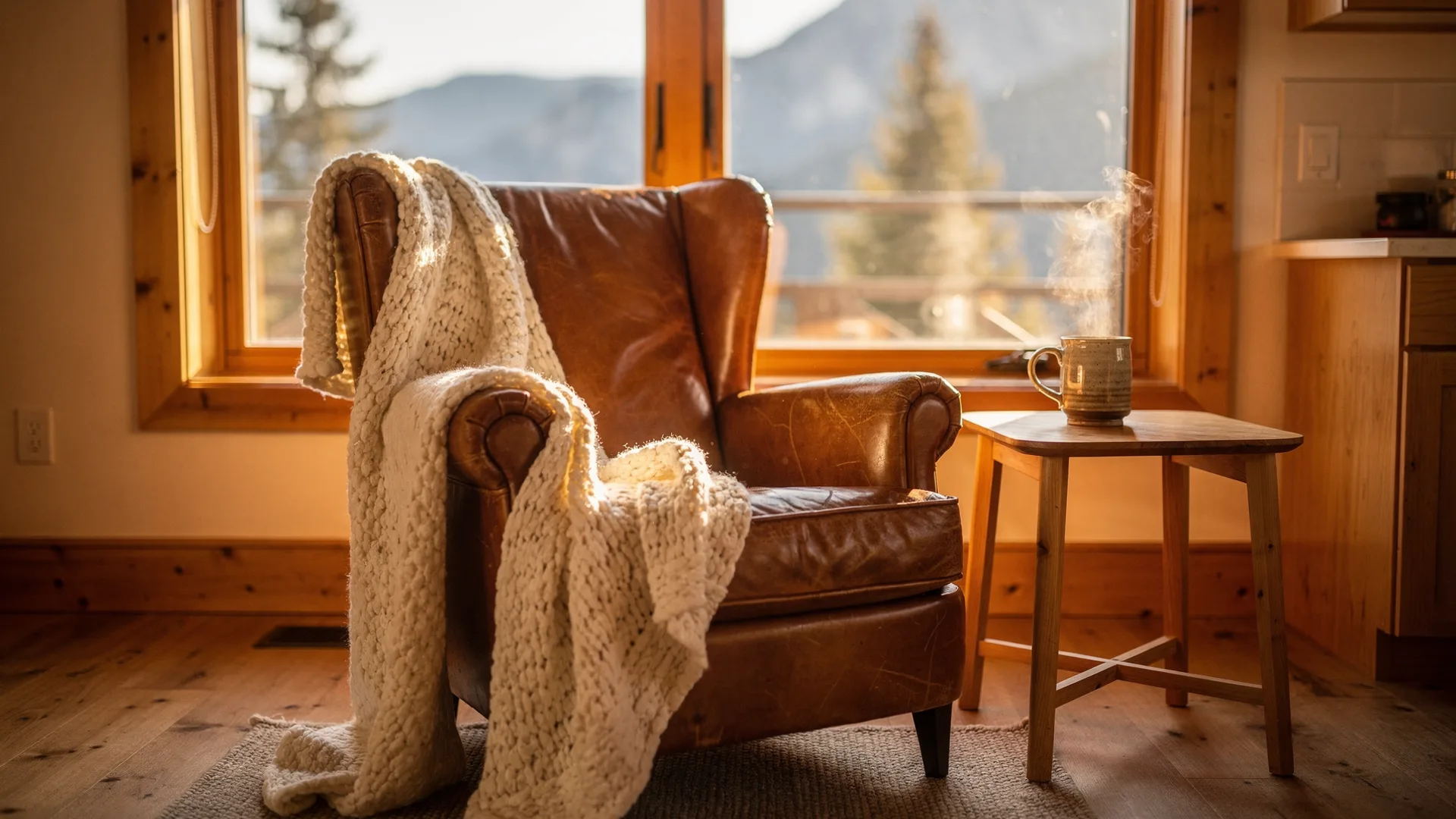
When a guest says, "It looks even better in person," part of you feels proud and part of you should feel robbed. You've heard some version of it at nearly every check-in — wow, this is so much nicer than the pictures — and you've been filing it under compliments for years. Warm feeling, little nod, thanks so much, enjoy your stay. It's time to hear what the sentence is actually reporting: your photos are underselling your property to every single person who sees them, and the only ones who find out are the ones who booked anyway.
Run the logic forward and it stops feeling like praise. A guest walked in expecting something ordinary and found something better — which means everyone who saw the same photos and didn't book was working from the same undersold impression, minus the chance to be pleasantly surprised, because they never got as far as your doorway. For every delighted "better in person," there's an unknowable number of travelers who scrolled past the ordinary-looking version of your home and gave their money to a listing that photographed better than it lives.
Here's the strange, half-embarrassing feeling underneath this one: a little part of you likes it. The surprise, the doorway pause, the sense that the place wins people over honestly, in person, on its own merits — it feels virtuous, like you're not one of those hosts with the suspiciously glossy galleries. But nobody gives you a booking for being undersold. The gap between the real room and the listed one isn't humility. It's a leak, and you've been paying it for as long as guests have been complimenting you about it.
This article is about closing that gap — figuring out where the underselling lives, why it accumulated without your permission, and how to make the listing finally ask for the credit the property already earns face to face.
The Compliment That's Actually a Warning
"Better in person" sounds like a win because it's framed as one, in the moment, by a guest who's already committed and happy to be there. But run the logic forward: for every guest who says it after booking, there's an unknowable number who saw the same underselling photos, formed the same modest expectation, and simply didn't book at all. You never hear from them. Their absence just shows up as a quieter calendar than the property deserves.
The Guests You Only Hear About Secondhand
Ask your cleaner, almost as a joke, whether guests ever say anything about the place when paths cross at checkout. You may hear about the ones who stand in the doorway for a long moment, just looking around, before they say a word. That's the kind of reaction a host never sees directly, because it happens in the ninety seconds after arrival, long before any review gets written — and it's the clearest evidence there is that the property is outperforming its own photos in real time, for an audience that already decided to show up.
The harder truth sitting next to that story is the guest who had the same reaction to the photos online — mild, unremarkable, easy to scroll past — and never got to have the doorway moment at all, because they booked somewhere else first. That guest doesn't leave a review. They don't send a message. They just don't appear in the numbers, which is exactly why this particular gap is so easy for a host to miss for years.
This is a distinct problem from a bad listing, and it's worth being precise about the difference. A bad listing oversells and disappoints on arrival. An undersold listing does the opposite — it quietly loses guests before they ever get the chance to be delighted, because the photos asked for less credit than the property has earned.
The Slow Drift Between A Property And Its Photos
Underselling rarely happens all at once. It accumulates the way clutter does — a new rug here, a repainted accent wall there, a lamp swapped for a better one after a guest mentioned the old lighting felt harsh. Each individual change is too small to justify a full reshoot on its own, so hosts let it slide, and the gap between the listed photos and the actual room widens a little more every season until, two years later, the listing is describing a version of the space that no longer fully exists.
Where the Gap Usually Comes From
In practice, the underselling gap traces back to a handful of specific causes: photos shot on an overcast day that flattened natural light the room actually has, wide-angle shots that shrink a genuinely spacious room into a cramped-looking frame, or photos taken years ago before a renovation or restyle that the listing never caught up to. None of these are property problems. They're documentation problems — the photos are simply describing an earlier or duller version of a place that has since gotten better.
Closing the Gap Between the Real Room and the Listed One
The fix isn't complicated, but it does require treating your photos as a living document rather than a one-time task completed at setup. Your Airbnb May Not Be Broken covers the flip side of this same coin — properties that look worse online than they are — and the underlying principle is identical: the gap between the real space and its online representation is almost always closable, and closing it tends to move bookings faster than almost any other change available to a host.
Steps to Re-Sell What You've Already Built
Close the gap between the room and the listing
- 1Reshoot your photos on a bright day, ideally within two hours of sunrise or sunset, instead of overcast midday light.
- 2Compare your current photos against the room in person and flag anywhere the angle makes the space look smaller than it feels.
- 3Update photos after any renovation, restyle, or furniture change within the same month, not "eventually."
- 4Ask your next three guests, directly, what surprised them most in person — and treat repeated answers as a punch list for reshoots.
- 5Add one photo that specifically captures the detail guests keep mentioning as the pleasant surprise, so future guests see it before they arrive.
Trusting The Property Enough To Show It Fully
There's sometimes a quiet hesitation underneath underselling — a worry that showing the property at its best sets an expectation that a bad day, a scheduling hiccup, or an off cleaning cycle might not meet. That instinct is understandable, but it protects against the wrong risk. A guest who arrives to find the place matches strong photos is satisfied. A guest who never books because the photos undersold what's actually there never gets the chance to be satisfied at all. Undersold caution costs bookings for certain, in exchange for protection against a problem that better operational habits — not dimmer photos — are the actual fix for.
You'll know the fix worked by a strange signal: the compliments get quieter. Reshoot the living room on a clear afternoon, swap the wide-angle bedroom shot for one taken from the doorway at eye level, update the kitchen photos the same month the counter stools change — and the doorway astonishment fades. Not because the room got worse, but because the photos finally caught up to it. Guests still like what they find. They're just not surprised by it anymore, which means more of them booked in the first place.
Published May 30, 2026 / 6 min
Related Reading
Professional Photos vs Honest Photos
Better photos should create desire and protect trust at the same time.
May 23, 2026
6 min
Your Cover Photo Is Either Winning the Click or Killing It
Guests don't reject your whole property first. They reject a thumbnail.
June 6, 2026
6 min
The First Five Photos Rule Every Host Should Obsess Over
Your 27th photo can't rescue a weak first impression.
June 3, 2026
6 min