Views But No Bookings: The Most Frustrating Airbnb Problem
People are seeing my listing. They just aren't choosing it.
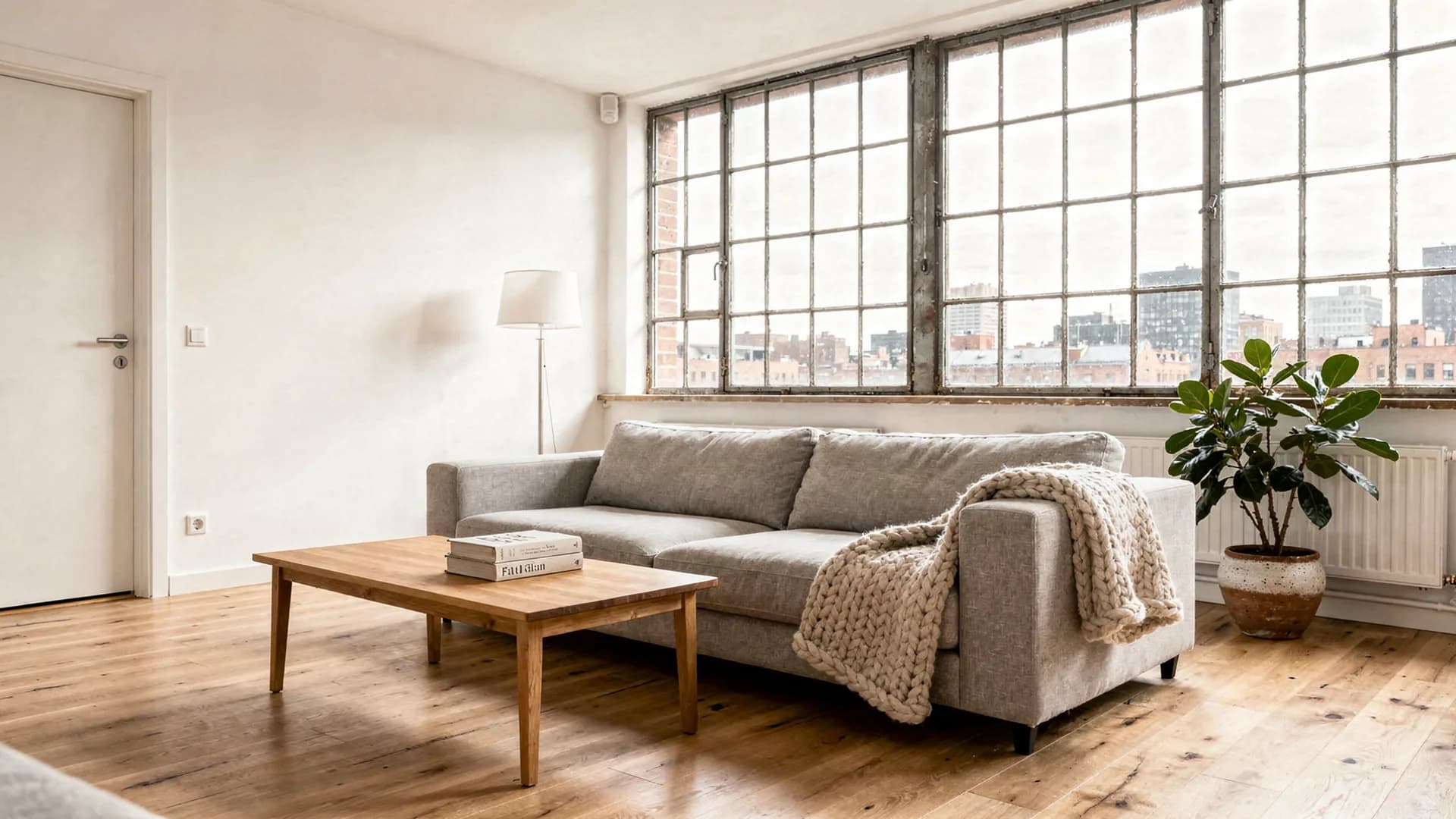
Views are supposed to feel like hope. After a while, they feel like people walking into your store, looking around, and leaving without saying why. 412 views last month. Two bookings. You've opened that analytics page enough times to have the number memorized, and every time, it lands the same way: four hundred and ten people looked at your home — the home you furnished, cleaned, photographed, priced, worried over — and quietly decided no. Not "no, and here's what put me off." Just no. The door chime rings, the footsteps circle the room, and then nothing.
There's a private thought that comes with this particular problem, and it's a strange one to admit: some nights you'd almost rather the views were zero. Zero would mean nobody's found you yet — an exposure problem, an algorithm problem, somebody else's problem. Four hundred views means they found you, looked at what you built, and picked a different place. That's not invisibility. That's rejection with a counter on it, updating daily.
But here's why this article exists: that painful number is also the most useful diagnostic you own, and almost nobody reads it correctly. If nobody sees your listing, the algorithm is the suspect. If hundreds of people see it and leave, the listing itself is the suspect — some specific moment between the click and the booking where interest goes to die — and no amount of tweaking your search ranking will touch it. The views are telling you exactly where to look. You just have to stop treating the number as a verdict long enough to treat it as a map.
The Ratio Hiding Inside Your View Count
Most hosts never check the ratio at all. You stare at the raw view count for months, treating it as the only metric that matters, until you happen to hear another host mention theirs — roughly one booking per forty views, say — and finally divide your own numbers. One booking per two hundred views is a very different business than one per forty, and that single comparison does more to redirect your attention than any amount of general advice about "improving the listing" ever will, because it gives you a number to actually beat.
The Two Failure Points Guests Never Tell You About
There are two moments where a guest with genuine interest in your area quietly exits your funnel. The first is the click: they see your listing in a grid of thumbnails and decide, in well under a second, whether to open it. The second is the scroll: they open it, move through the first several photos, and decide whether to keep reading or check the next tab they already had open. High views with low bookings almost always means you're winning the click and losing the scroll.
That distinction matters because it tells you exactly where to look. A weak thumbnail loses guests before the click — you'd see that as low views. A weak follow-through after the click loses guests who already showed interest, which is the more expensive kind of loss, because you paid for their attention and then didn't use it.
Why A Rising View Count Can Mask A Real Problem
There's a specific trap hosts fall into with view counts: because the number keeps climbing, it feels like proof things are moving in the right direction, even when the booking count sits flat beside it. A view is not interest sustained — it's interest granted for a moment, provisionally, and then either confirmed or withdrawn based on what the guest sees next. Watching views climb while bookings stay flat can feel like watching a faucet that's clearly running, in a sink that never fills, and not being able to tell why.
Search placement makes this worse. Airbnb's algorithm rewards listings that get clicked, which means a listing with a strong cover photo can actually get shown to more people over time — climbing views, better placement — while its underlying conversion problem stays completely unaddressed. You can end up in the strange position of getting algorithmically rewarded for a strength (a good cover photo) while the weakness right behind it (a weak follow-through) quietly caps how much that reward can ever turn into revenue.
What's Actually Happening Between Photo Two And Photo Six
Here's the shape this almost always takes. The cover photo is strong — a warm, well-lit shot of the living room that earns the click reliably. But photo two is a hallway. Three is a close-up of a coffee maker. Four is the bathroom, shot with the flash on. By the time a guest reaches anything that resembles the promise of that cover photo, most of them have already scrolled to the next listing in the tab they kept open behind yours.
This gap — a good hook followed by a weak follow-through — is one of the more common and most fixable patterns hiding inside a listing's analytics. It's also exactly what Your Airbnb Is Better Than Your Bookings Suggest gets at: the calendar is reporting a symptom, and the symptom usually traces back to specific photos in a specific order, not to some abstract sense that the market has moved on.
Reading Your Own Views-To-Booking Ratio
A click you don't convert is a guest you already paid for and then lost anyway.
Most hosts never look at this ratio because the raw view count feels reassuring on its own. Four hundred people looked at my home — that has to mean something good. It does mean something, but not the thing it feels like. It means your cover photo and your price are doing their job. It means the rest of your listing isn't finishing what the cover photo started.
Fixing The Scroll, Not The Click
Work through your listing in this order
- 1Pull your views and booking count for the last 60 days and calculate the ratio, so you have an actual baseline instead of a feeling.
- 2Open your listing on a phone and scroll through photos two through six exactly as a guest would, timing yourself honestly.
- 3Flag any photo in that range that repeats information the cover photo already gave, rather than adding something new.
- 4Reorder so photo two answers the next most obvious guest question after the cover photo — usually the main living space or the bed.
- 5Re-check your ratio after two to three weeks with the new order in place before changing anything else.
It's worth doing this exercise before touching price or title, because both of those tend to affect the click, not the scroll. Lowering price can raise your view count further without fixing the leak underneath it — more people clicking into the same weak middle section just means more people leaking out the same hole, faster. Title changes work the same way. Neither addresses the actual moment where interested guests are quietly deciding to look elsewhere.
When hosts make this fix — best room moved to position two, the coffee-maker close-up cut entirely — the after picture tends to have a recognizable shape: views stay roughly flat, which confirms the click was never the problem, and bookings move in a way three months of price-tweaking never managed. The hundreds of people finding the listing were real interest all along; the photos just never gave them a reason to stay past the third tap. The hardest part usually isn't the reorder. It's accepting that a rising view count spent months quietly reassuring you while the actual business barely moved.
Published June 25, 2026 / 7 min
Related Reading
The Empty Calendar Spiral
Checking turns into comparing, tweaking, discounting, and wondering whether you made a mistake.
June 21, 2026
6 min
Your Airbnb Is Better Than Your Bookings Suggest
The host feels invisible, not just underbooked. Start with the layer guests actually see.
July 2, 2026
6 min

The Host Who Keeps Tweaking Everything Except the Thing Guests See First
Six weeks of edits: four titles, two price drops, three description rewrites. Bookings: flat. Panic editing is motion, and motion is not a diagnosis.
March 23, 2026
6 min